Durham, UK - University
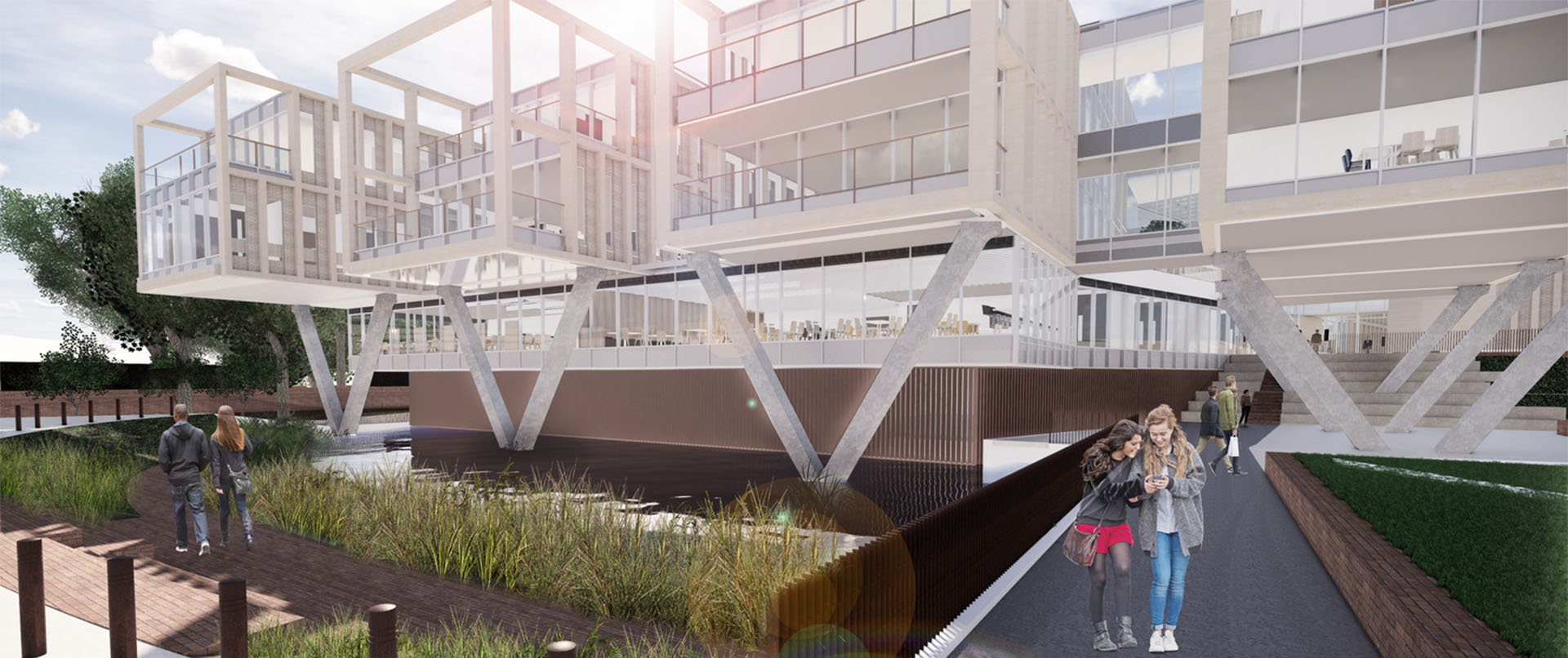
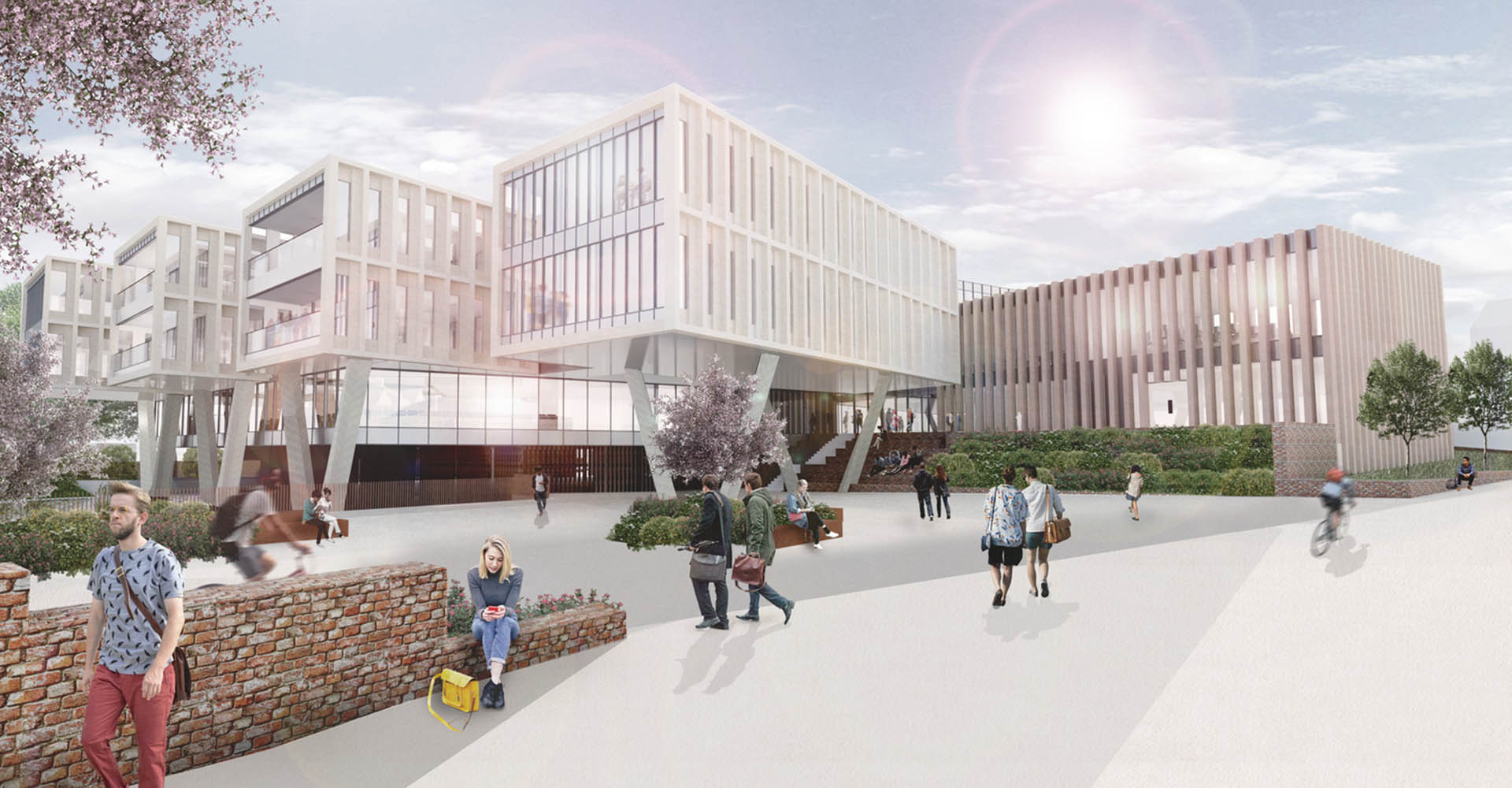
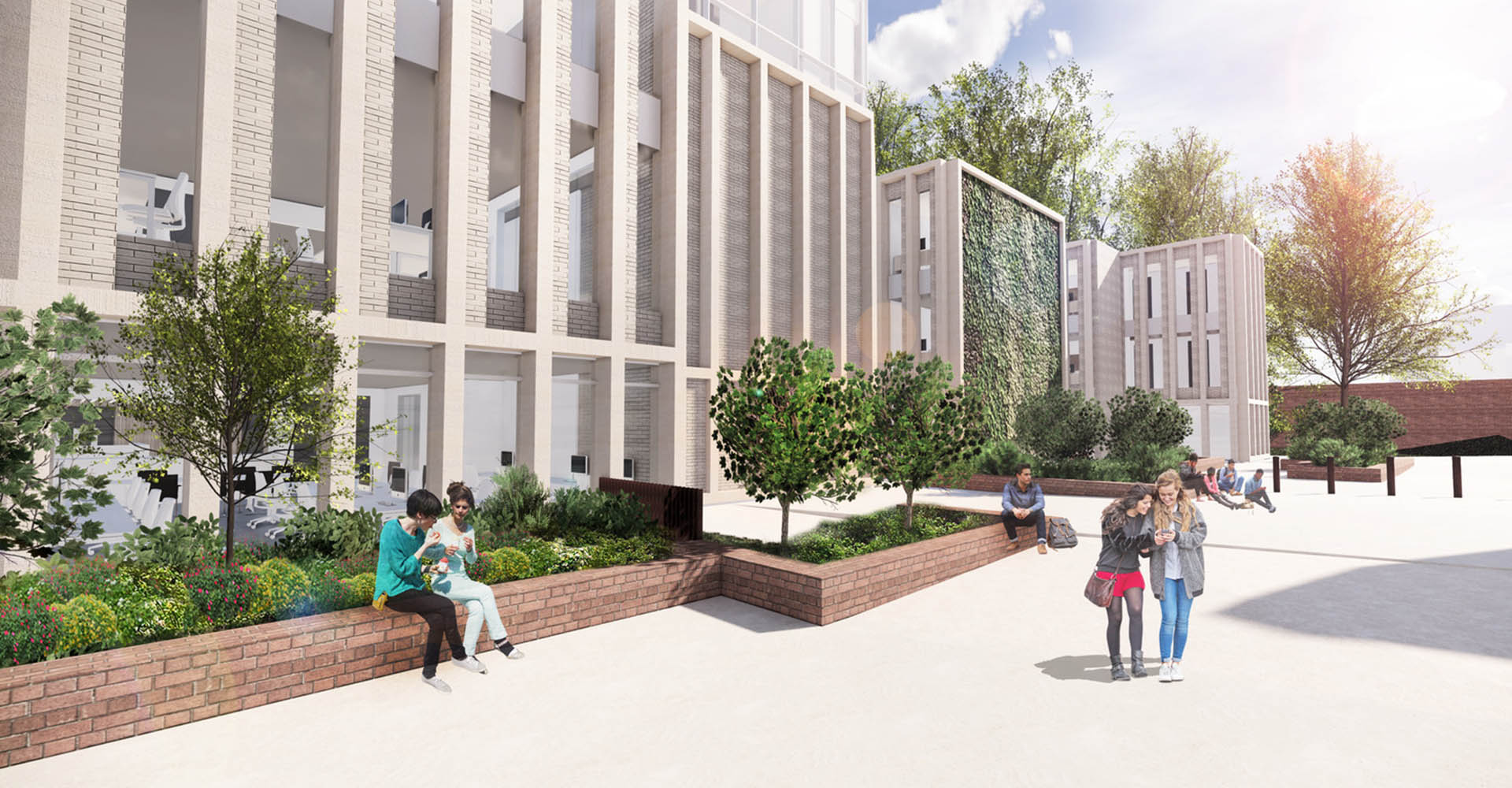
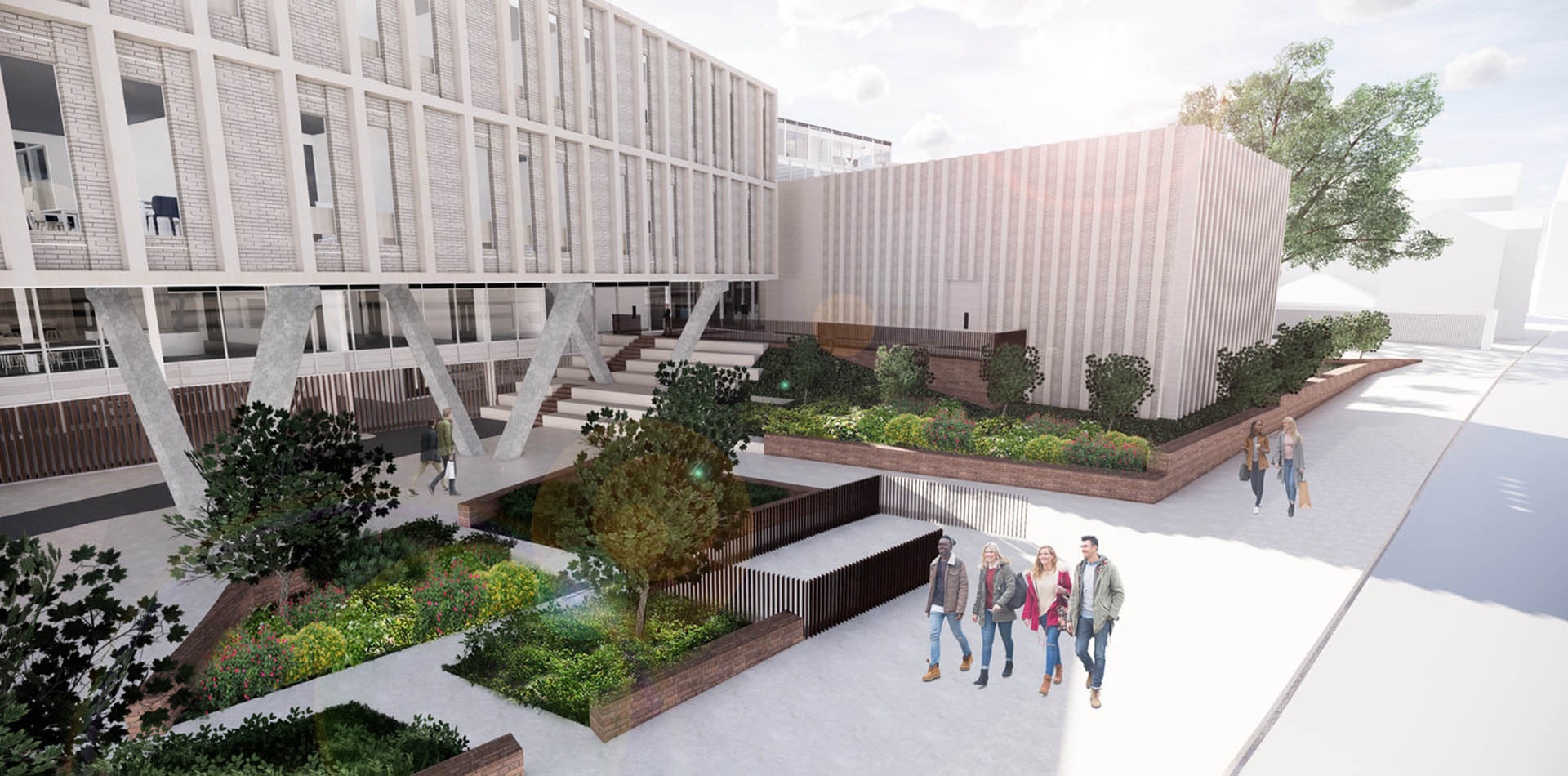
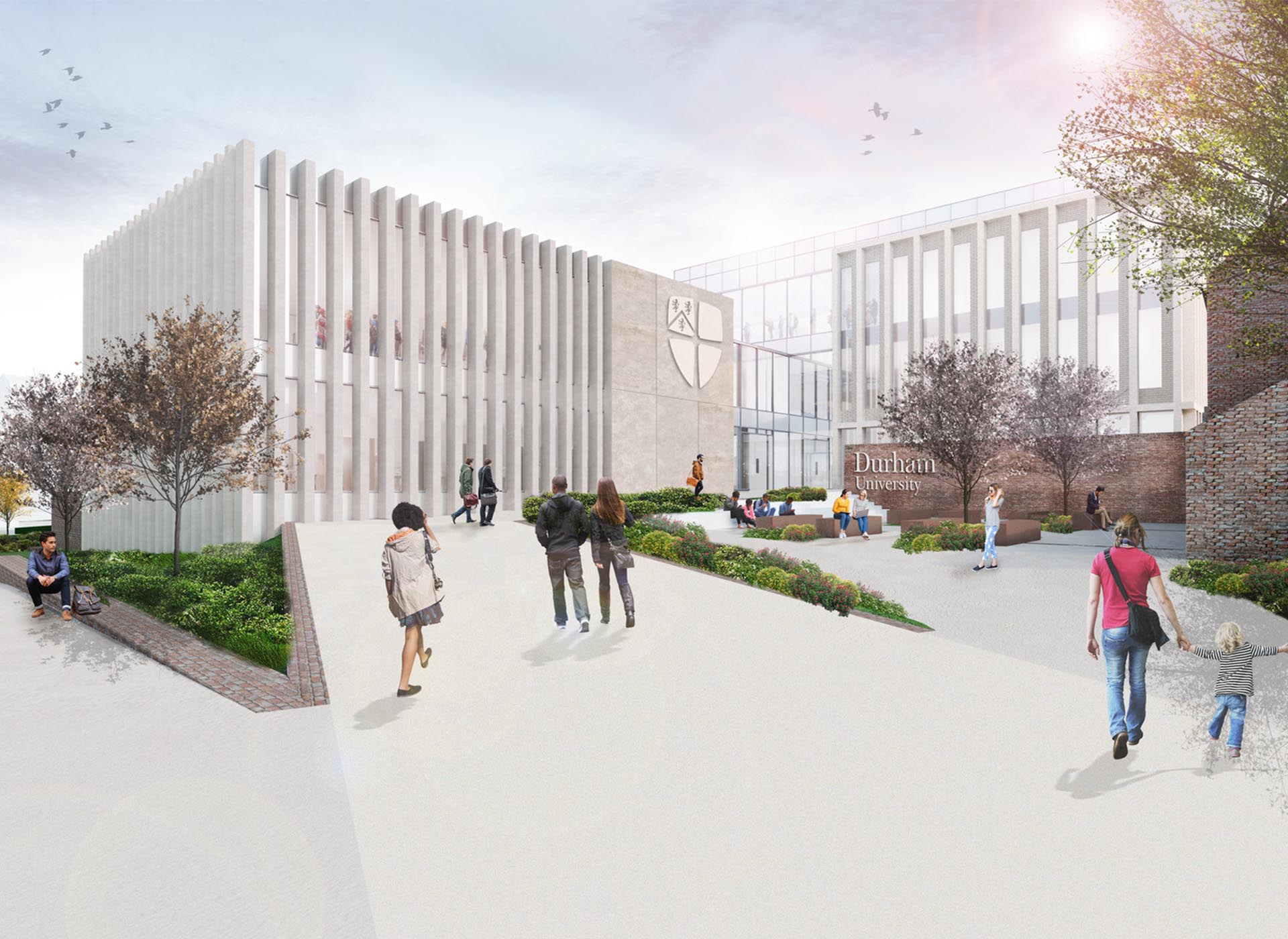
The repurposing of the Durham County Council Headquarters into the new Durham University Business School building, now referred to as the Waterside building.
Set within the city conservation area, the site lies to the edge of the UNESCO World Heritage Site peninsula, crowned by the cathedral and bounded by the River Wear.
Responding to the university’s need for a modern, sustainable facility, flexibility was a key driver in the refurbishment to create adaptable spaces that support current and future pedagogies.
The building provides a significant increase in dedicated teaching spaces to support undergraduate, postgraduate and executive programmes, as well as accessible study, collaboration, and recreational spaces for students and staff. The layout transitions from active, collaborative spaces on the lower levels to quieter study and research areas on the upper floors.
The concept for the interior design derives from modern workplaces, creating a professional environment that relates study to employment.
The interior design is cohesive, with a rich material palette that merges dark tones, high quality fabrics, textures, and extensive use of natural timber, seamlessly integrating the new with the existing.
Open access study spaces are varied in furniture to offer an environment of choice. Inclusivity is at the forefront of the design with flexibility across teaching, study, and workspace to fully support the business school community, from neurodiverse friendly environments to private spaces.
A highlight of the transformation is the former council chamber into a 300 seat lecture theatre. The original ceiling has been retained and adapted, respecting the original design where possible. An expanded feature staircase, designed after flow modelling, improves safety and accessibility, ensuring smooth movement during peak times.
From solar panels and energy efficient systems to large windows that maximise natural light, sustainability and user wellbeing are enhanced in tandem. By combining adaptive reuse, sustainability, and user focused design, the Waterside Building sets a high standard for academic architecture.
The project’s success stems from collaboration between the client, design and contractor teams. Extensive engagement with staff and students not only informed the design through detailed requirements but brought everyone at the business school on the journey towards their new building.